What We Do
 Our Story
 Core Values
 Meet the Team
 Our Approach


On October 29, 2025, the Federal Reserve cut the federal funds rate by 0.25 percentage points to a range of 3.75%–4.00%, while also announcing that it will end the reduction of its $6.6 trillion balance sheet on December 1. The move formally concludes a two-year effort to withdraw liquidity from the financial system through quantitative tightening. Fed Chair Jerome Powell emphasized that while inflation has eased, it remains above target, and future rate cuts are “not guaranteed.” The combination of a rate reduction and an end to balance-sheet runoff marks a notable shift toward a more neutral policy stance.
Our Take
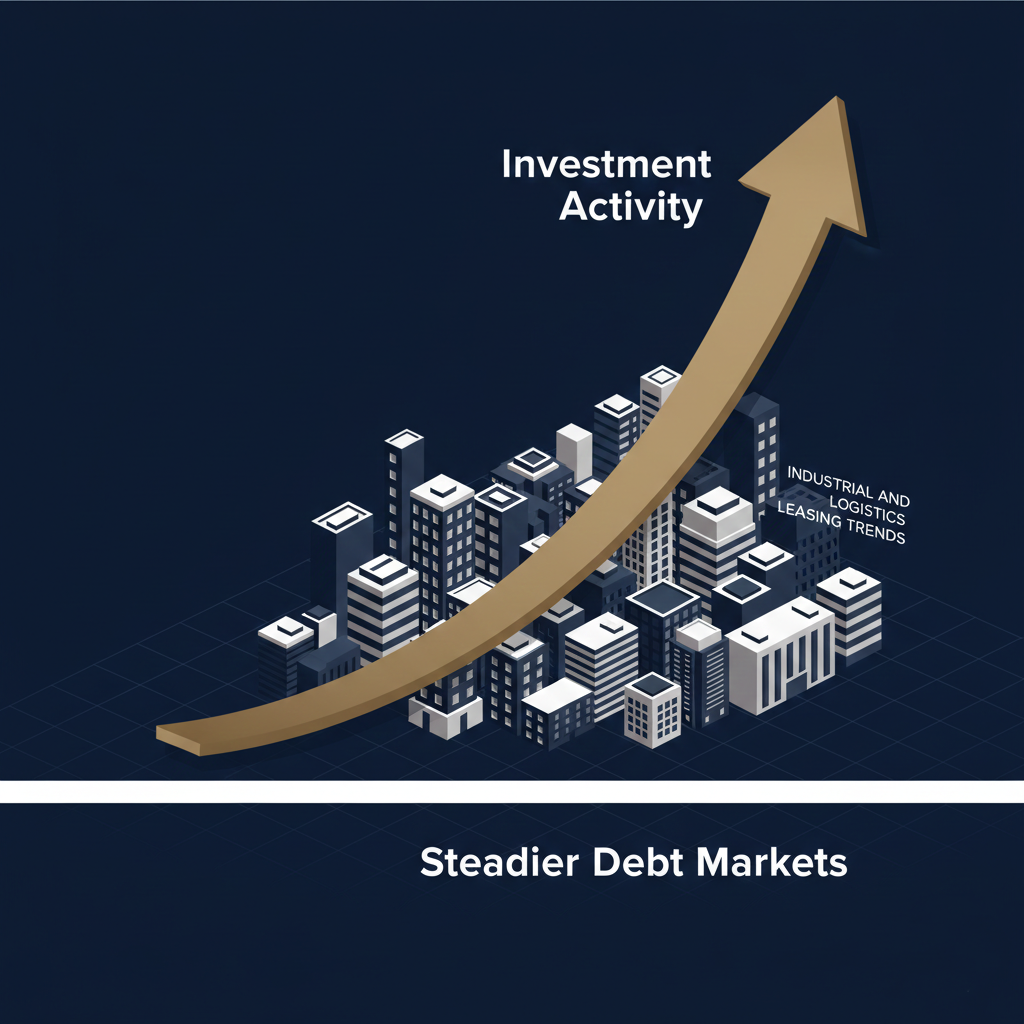
For private-market investors, this announcement represents an important inflection point. By halting quantitative tightening, the Fed effectively stops draining liquidity from the banking system—a dynamic that has weighed on credit formation and refinancing capacity for much of the past two years. The added availability of capital, combined with a modestly lower policy rate, could help ease short-term funding costs and stabilize risk spreads, particularly in private credit and commercial real estate. For sponsors managing near-term maturities, this environment should modestly improve refinancing options and reduce the likelihood of distress driven purely by capital-market conditions.
That said, the Fed’s tone remains cautious, and investors should not interpret this as a return to the easy-money backdrop of the 2010s. Inflation remains a central concern, and policymakers are likely to hold rates steady through much of 2026 unless the economy weakens materially. For private-market participants, this means underwriting should continue to reflect a structurally higher cost of capital, tempered rent growth, and slower multiple expansion. Valuations may find a firmer footing, but returns will increasingly depend on operational performance rather than multiple re-rating.
Overall, the Fed’s move offers welcome clarity after a long period of policy uncertainty. With fewer shocks expected from central banks, investors can refocus on fundamentals—tenant quality, cash-flow durability, and prudent leverage—while taking advantage of selective opportunities emerging in a more stable, liquidity-supported environment.
Source: Fed winding down balance sheet contraction amid tightening money markets
If you’re curious about how our approach could fit into your portfolio, visit our website or schedule a call to connect with our team. We’d love to talk through what we’re seeing and where we’re going next.